Heads up: some links on this page are affiliate links (Stay22, Viator). If you book through them we may earn a commission at no extra cost to you. It never changes what we recommend. How this works.
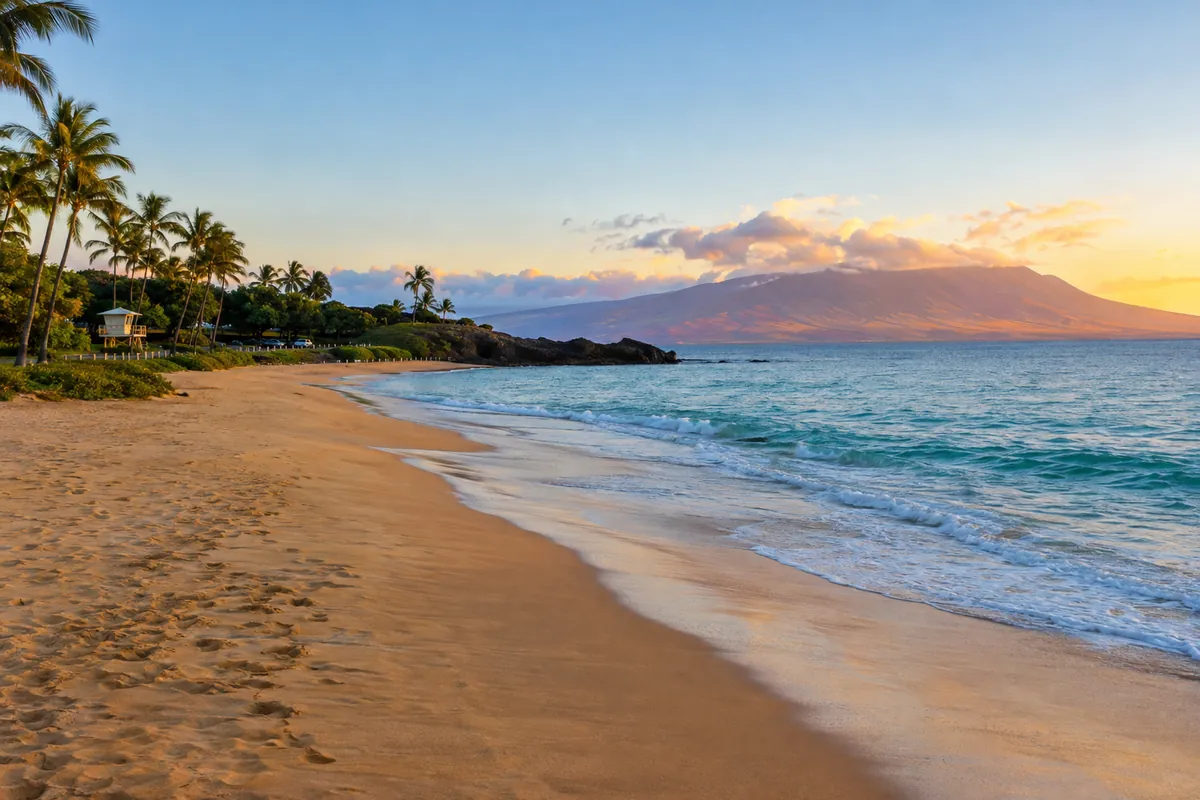
The best Maui beaches depend on what you want to do and what the ocean is doing that day. For a swim, try sheltered Kapalua Bay or Napili Bay on the west side, Kamaole I or II in Kihei, or Wailea Beach in South Maui when conditions are calm. For facilities, Kamaole Beach Parks and Baldwin Beach are strong choices; for dramatic black sand, plan a visit to Waiʻānapanapa State Park, but don’t treat it as a dependable swimming beach.
There isn’t one Maui beach that’s best for everyone. Lifeguards, restrooms, showers and parking vary by beach, and a calm-looking shoreline can still have a dangerous shorebreak or current. Check the day’s ocean conditions before you get in the water.
Quick answer: Families looking for a sheltered swim should compare Kapalua Bay, Napili Bay and Kamaole I or II, then check conditions that day. Kamaole, Baldwin and Kanaha have useful public facilities, while Wailea has a convenient beach path and restrooms but no lifeguard. Big Beach, Honolua Bay and Hana-side beaches need extra caution because of surf, currents, access or reservations.
Which Maui coast should you choose?
Maui’s coastlines behave differently. The south and west sides are leeward and usually sunnier, while the north and east sides face the trade winds and have more exposure to rough surf. That’s a useful starting point, not a forecast. A weather pattern, swell or wind can change what’s comfortable from one beach to the next.
The Love Big Island beach guide includes a map of beaches around the island. Its weather ratings describe typical conditions, not a forecast or a count of days when swimming is good. Use a map to plan where to go, then check current surf and safety reports through Go Hawaii’s Maui beach information before setting out.
| Coast | Good starting point | What to keep in mind |
|---|---|---|
| West Maui | Kapalua Bay, Napili Bay, Kaanapali | Protected coves are better bets for a gentler swim, but reefs, currents and seasonal surf still matter. |
| South Maui | Kamaole I and II, Wailea, Keawakapu | Often sunnier and calmer, but summer swells can create hazardous shorebreak. |
| North Shore | Baldwin, Kanaha, Ho’okipa | Facilities are good at several parks; wind, shorebreak and winter surf can make swimming rough. |
| Hana side | Hana Bay, Hamoa, Waiʻānapanapa | Allow time for the Road to Hana. Some beaches have powerful surf, and Waiʻānapanapa requires advance reservations. |
If your hotel location is still up in the air, compare where to stay in Maui before choosing a daily beach base. A beach that looks close on a map can be a long drive from the other side of the island.
Which West Maui beaches are best for swimming?
Kapalua Bay is a good first choice when you want a small, sheltered cove. Two reefs help protect the crescent-shaped beach, and the sandy bottom makes entering the water easier than at rocky shorelines. There’s a limited free parking lot and street parking, plus public restrooms, showers, picnic tables and a water fountain. There’s no lifeguard, so don’t mistake the sheltered setting for a guarantee of safe conditions. The 2025 HAWAIʻI Magazine beach guide also describes Kapalua as sheltered by reefs and notes its public facilities and limited parking.
Napili Bay is another sheltered crescent, with outer reef and headlands helping moderate the water. Summer conditions are often suitable for swimming and snorkeling, including for children, while winter water can be rougher. Parking is limited, with paid parking and nearby street spaces. There are no public restrooms or lifeguards. Go early if you’re counting on a space, and plan your own facilities rather than assuming a nearby resort will provide access. Condé Nast Traveler’s beach guide also notes that reefs protect Napili’s water from large swells, while the 2025 HAWAIʻI Magazine guide cautions that parking and public facilities are limited.
Kaanapali Beach is the practical resort-strip choice: a long sandy shoreline, a beach walk, dining and shopping nearby, and snorkeling around Black Rock when conditions are suitable. Parking options include free and paid spaces around the area. Lifeguard information differs between the sources: Hawaii.com’s beach page describes lifeguards, while HAWAIʻI Magazine’s 2025 guide says there are none. Check the signs and current local information rather than assuming a lifeguard is present. The Hawaii.com Maui beaches guide covers the beach walk and facilities, and its lifeguard information conflicts with the 2025 guide. For an area-specific look at beach access and parking, see our Kaanapali Beach guide.
D.T. Fleming Beach Park is a better pick if lifeguards and park facilities matter to you. It has picnic tables, restrooms and lifeguards, but exposed water can still be rough. Check the surf before swimming. Nearby Honolua Bay is known for summer snorkeling, but access is rocky and the bay can be rough in winter. It’s a marine conservation district, so don’t touch or step on the reef. Hawaii.com’s activity guide recommends Honolua Bay for summer snorkeling; conditions and access vary by season.
Our west-side pick: Choose Kapalua Bay or Napili Bay for a sheltered setting, and Fleming if a lifeguard is a priority. Kaanapali is the easiest fit if you also want a beach walk, restaurants and shops. For snorkeling details and entry advice, see the best snorkeling in Maui.
Which South Maui beaches have the best swimming and facilities?
Kamaole Beach Parks I, II and III are among the most useful all-round choices in Kihei. They have lifeguards, restrooms, showers, picnic tables and free parking. Kamaole I and II are generally calmer swimming choices; Kamaole III has a shorebreak that attracts bodyboarders and needs more caution. Hawaii’s tourism information also lists the Kamaole parks as lifeguarded with ample parking. Conditions can change, so follow posted warnings even at a beach with a lifeguard.
Wailea Beach is a wide sandy beach between the Four Seasons Resort Maui and Grand Wailea. It offers public restrooms and showers, and a coastal path connects Wailea’s beaches, hotels and restaurants. The public parking lot between the resorts fills quickly, so an early start is sensible. There’s no lifeguard. Wailea is often a good option for a relaxed swim when the water is calm, but check the surf before entering. The 2025 HAWAIʻI Magazine guide and HAWAIʻI Magazine’s earlier beach feature describe its facilities and resort-side setting.
Keawakapu Beach, between Kihei and Wailea, is a long option for walking, lounging and swimming when the water cooperates. It has fewer facilities than the major beach parks, so bring what you need and plan for the conditions rather than expecting a lifeguard. Ulua Beach is popular for snorkeling and scuba diving, with restrooms, showers and free parking, but no lifeguard. The parking lot can fill, so have a backup beach in mind.
Makena’s Big Beach has a broad sand shore and striking views, but it is not the place to assume a casual swim will be safe. Powerful shorebreak and currents have injured swimmers, and the beach can be hazardous for beginners and children. Lifeguards are on duty, and the park has restrooms and picnic tables. A September 2026 guide lists about $5 per non-resident for entry and $10 per vehicle for parking; confirm current entry and parking details with the park before visiting. If waves are large, stay out of the water and watch from shore. For current practical details, read our Big Beach guide.
Maluaka Beach, also called Turtle Town, is a South Maui snorkeling option. Oneʻuli Beach has black sand and rocky entry, with a quick drop-off and no lifeguard or restrooms. Don’t choose it just because the sand looks inviting in a photo. For either beach, check the conditions and watch your footing around lava rock. Travel + Leisure’s beach roundup describes Maluaka as a place for kayaking, snorkeling and paddleboarding, and warns that Oneʻuli’s lava shelf can be rocky and slippery.
Where should you go on Maui’s North Shore?
Baldwin Beach Park is a long, sandy beach near Paia with a lifeguard, restrooms, showers, picnic tables and free parking. It’s used for swimming, bodyboarding, family outings and long beach walks. Conditions can still include strong shorebreak and rip currents. The western end has Baby Beach, where a reef creates a shallower, more sheltered area. Treat that as a more protected option, not a promise of calm water. Love Big Island’s beach guide lists Baldwin’s facilities and cautions about shorebreak and rip currents.
Kanaha Beach Park, close to Kahului Airport, has free parking, restrooms, showers, picnic tables and a lifeguard. It’s popular for wind sports and also used for swimming and picnics. Trade winds can be strong, so it may not be a comfortable swimming choice on a windy day. Its airport-side location makes it useful if you have time before a flight, but check the day’s conditions rather than relying on the beach’s facilities alone.
Ho’okipa Beach Park is mainly a surf and windsurfing spot, especially when winter surf is large. It has free parking, restrooms, showers, picnic tables and a lifeguard, but those features don’t make the water suitable for casual swimming. Strong currents and rough ocean conditions are common concerns. If you’re there to watch surfers or turtles resting on the beach, use the lookout and keep a respectful distance from wildlife. Spreckelsville includes Baby Beach, one of the North Shore’s more protected swimming areas, but the broader area has no lifeguard or restrooms. Go Hawaii’s beach page lists Baldwin, Kanaha and Ho’okipa facilities and the wind and surf uses of these North Shore beaches.
Are Hana-side beaches good for swimming?
Hana Bay Beach Park is a black-sand beach with an outer reef and a lifeguard, restrooms, showers, picnic tables and free parking. It can be a swimming option in calm conditions. Check the water before entering, and follow lifeguard instructions. This is one of the more practical Hana-area stops if you want a beach visit with facilities, though it still takes a dedicated drive to reach Hana.
Hamoa Beach is a crescent-shaped, salt-and-pepper sand beach near Hana. It’s scenic and used for swimming, surfing and bodyboarding, but it has no lifeguard. Strong surf, shorebreak and rip currents can make it dangerous, particularly in winter. Facilities include restrooms and showers, with street parking. The safest plan is to enjoy the beach from shore if the surf is powerful; don’t assume the lack of a visible reef means gentle water.
Waiʻānapanapa State Park is the famous black-sand stop, with lava formations, coastal paths and sea caves. It requires advance reservations for non-residents, and the park’s reservation information is the place to confirm current entry and parking rules. There’s no lifeguard. Sources describe swimming as possible only when the ocean is completely calm, and other guidance says the park is generally not suitable for swimming because of powerful waves. Plan it as a scenery and walking stop first, not as a swim stop. The Condé Nast Traveler guide describes the black shore and coastal features; Go Hawaii notes that advance reservations are required.
Koki Beach has red sand and is described as an expert surf spot, not a swimming beach. It has limited parking and no lifeguard or showers. Don’t take the trail to nearby Kaihalulu Beach: the beach guide warns that its route passes through private property, and other advice describes a steep, narrow trail. Hana has plenty to see without taking an access risk.
How do you use a Maui beaches map?
Use a map to group stops by coast, not to build a day that zigzags between beaches. For a West Maui day, compare Kapalua, Napili and Kaanapali. For South Maui, keep Kihei, Wailea and Makena together. Hana-side beaches pair naturally with a Road to Hana day, but don’t treat them as quick detours from a resort on the other side of the island. Hawaii.com estimates that Hamoa and Waiʻānapanapa are a 2.5 to 3 hour drive each way from Kaanapali, with a slightly shorter drive from Wailea.
The Love Big Island map is handy for comparing where beaches sit around the island, but its ratings describe usual patterns rather than conditions on your visit. Map distance also doesn’t tell you how exposed a beach is, whether parking is full or if the water is suitable for swimming. Check surf, wind and public safety reports before you go, and use the day’s posted signs and lifeguard advice when you arrive.
Parking is easiest to plan at beach parks with dedicated lots, such as Kanaha, Baldwin and Kamaole. It’s more constrained at Kapalua Bay, Napili Bay and Wailea Beach. At Waiʻānapanapa, reserve in advance. At any beach, don’t leave valuables in a parked car, including in the trunk. If you’re deciding on lodging based on beach access, compare Maui hotels on the beach and Maui car rental options before you set your itinerary.
What should you check before swimming?
Check the surf, wind, posted signs and any lifeguard instructions every time. The ocean can change quickly, and a beach that is often calm is not automatically calm on your visit. If you’re unsure, stay out of the water. Swimming with a buddy or choosing a lifeguarded beach is a sensible default, but neither replaces checking conditions.
- Shorebreak and currents: Big Beach, Baldwin, Hamoa and exposed North Shore beaches can have strong shorebreak or currents. Don’t wade in because the water looks shallow.
- No lifeguard: Kapalua Bay, Napili Bay, Wailea Beach, Ulua Beach and many Hana-side beaches lack lifeguards. Choose a lifeguarded alternative if that matters to your group.
- Jellyfish: South-shore beaches can see box jellyfish roughly 8 to 10 days after a full moon, with a usual window of 2 to 3 days. Check advisories and watch for purple flags.
- Reef and wildlife: Don’t step on coral or touch marine life. Keep a respectful distance from turtles and other wildlife, and never block an animal’s route back to the water.
- Sun and footing: Bring sun protection and footwear for hot sand or sharp lava rock. Hawaii.com says reef-safe sunscreen is required by state law and recommends mineral formulas with zinc oxide.
- Remote beaches: Check access and weather before driving to Hana or exploring isolated coastlines. Stay out of restricted areas and don’t take unmarked or private access routes.
For more seasonal context, read our Maui weather guide. The beach guidance from Hawaii.com recommends checking conditions and jellyfish advisories, and Go Hawaii points visitors to current surf and public-safety reports.
How we researched this
Our editors compared Hawaii tourism information, state-park guidance referenced by the beach guides, and published beach guides, including Hawaii.com, Go Hawaii, HAWAIʻI Magazine, Condé Nast Traveler and Love Big Island. We checked details on swimming conditions, lifeguards, facilities, parking and reservations, and kept source disagreements visible rather than treating one beach description as a daily forecast. No business mentioned here paid for inclusion.
Before you go
Pick a beach for the conditions you want, then check the water and parking situation on the day. For a sheltered swim, start with Kapalua Bay, Napili Bay or Kamaole I and II; for a lifeguarded park, look at Kamaole, Baldwin, Kanaha or Hana Bay. If surf is up, skip the swim and enjoy the view from shore. Confirm current park reservations and fees with the park’s official information, and don’t enter restricted areas.
Frequently asked questions
What are the best beaches in Maui for swimming?
Kapalua Bay, Napili Bay, Kamaole I and II, and Wailea Beach are common starting points for a swim when conditions are calm. Check surf, wind, posted signs and lifeguard advice that day.
Which Maui beaches have lifeguards and facilities?
Kamaole Beach Parks, Baldwin Beach, Kanaha Beach and Hana Bay have lifeguards and several public facilities. Lifeguard information for Kaanapali differs between the sources, so confirm locally rather than assuming coverage.
Where can I find a Maui beaches map?
The Love Big Island beach guide includes a map covering beaches around Maui. Its ratings describe typical conditions, not a forecast, so check current safety reports before visiting.
Is Big Beach in Maui good for swimming?
Big Beach has lifeguards and park facilities, but powerful shorebreak and currents can make swimming hazardous, especially for beginners and children. Stay out of the water when surf is large or conditions are uncertain.
Sources we checked
- Love Big Island: Maui beach map, facilities, parking and conditions
- Go Hawaii: Maui beaches and current safety guidance
- HAWAIʻI Magazine: Best beaches on Maui in 2025
- Condé Nast Traveler: Maui beach guide
- Hawaii.com: Maui beaches, facilities and safety conditions
- Hawaii.com: Maui activities and beach recommendations
- HAWAIʻI Magazine: Five best beaches on Maui
- Travel + Leisure: Maui beach guide and beach activities
About this guide
Written and fact-checked by the Maui Hotels Blog editors, an independent team that plans Maui trips from official and published sources. We compared 8 sources for this page, linked each one above, and were not paid by any business mentioned. Prices, fees, hours, reservation rules and ocean conditions change, so confirm with the official source before you go.


