Heads up: some links on this page are affiliate links (Stay22, Viator). If you book through them we may earn a commission at no extra cost to you. It never changes what we recommend. How this works.
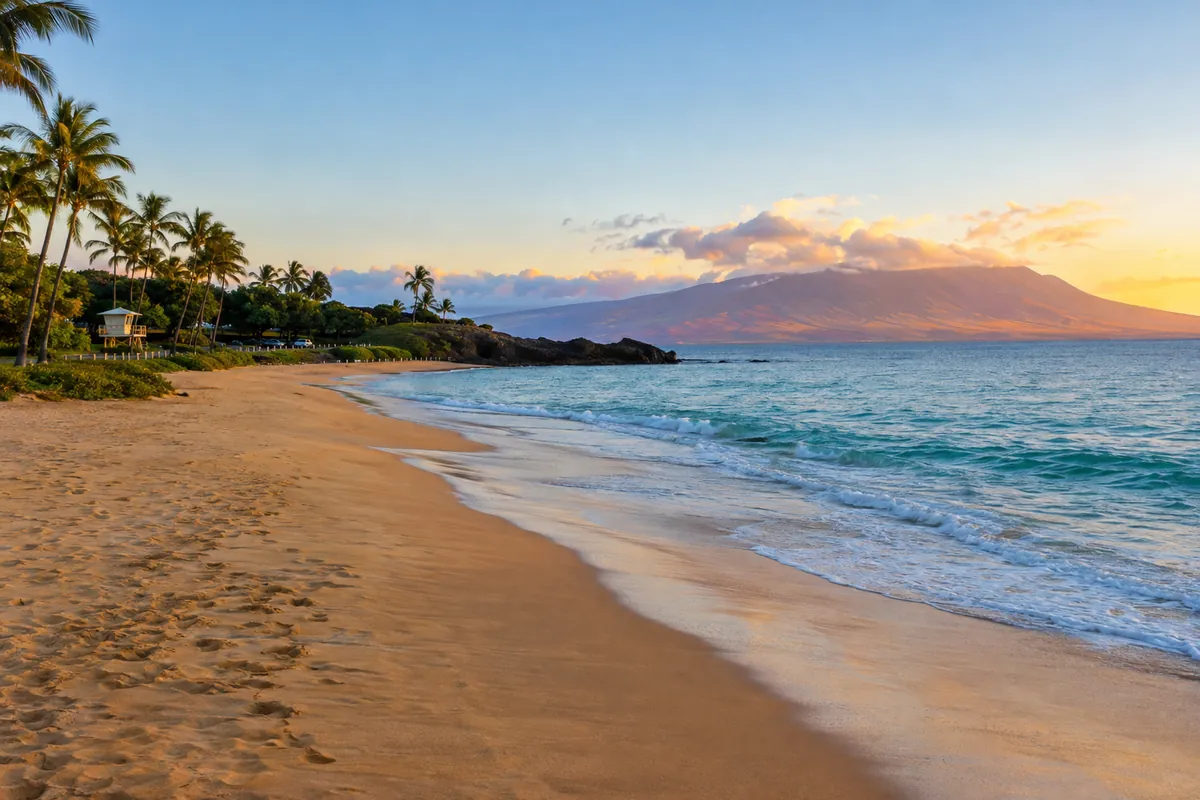
Big Beach Maui, also called Makena Beach and Oneloa, is a wide, open beach inside Makena State Park. It’s a good pick for a long walk, a picnic and ocean views, but the shorebreak can be dangerous even in shallow water, so don’t treat it as a dependable swimming beach.
Quick answer: Non-Hawaii residents are listed as paying $5 per person plus $10 per vehicle to enter and park. Big Beach has lifeguards, but its steep shorebreak can cause serious injuries. Little Beach is reached by a short, steep scramble over the lava headland, and published sources disagree about its facilities and lifeguard coverage.
What does Makena State Park cost, and where do you park?
The latest fee information in the research set lists admission at $5 per nonresident and parking at $10 per vehicle. Children aged 3 and under are listed as free. These are the fees shown on a page updated August 12, 2026, and prices can change, so confirm the current charges with Hawaii State Parks before heading out. Hawaii Guide
Hawaii residents with valid state identification are listed as entering free, and one guide says resident parking is free with state ID. The $5 per person and $10 per vehicle charges are also reported by Hawaii.com’s Makena guide. The listed fees apply at each of the park’s three entrances, so choose your lot based on which beach you want rather than assuming you can park at one entrance and walk to another.
There are three separate entrances and parking lots, and spaces are limited. Big Beach’s entrances are commonly described as the second and third park entrances, while the first leads toward Little Beach. An older guide recommends paying for parking rather than relying on street parking. Don’t assume roadside parking is permitted just because you see cars there. U.S. News Travel
One visitor account describes parking as difficult near sunset, but that’s an individual report, not a parking rule. Going earlier gives you a better chance of finding a space and more time to decide which entrance fits your plans. Trip.com’s Makena Beach listing
Is Big Beach safe for swimming?
Big Beach’s shorebreak is the main thing to plan around. Waves break steeply and directly on the sand, and guides warn that the force can cause serious injury, including in ankle-deep water. A lifeguard is listed at Big Beach, but that doesn’t make every day or every part of the shoreline suitable for swimming. Hawaii.com describes the powerful shorebreak and advises watching the water before entering.
Before you get in the water, watch several sets from the sand, read the posted warnings and ask the lifeguard about that day’s conditions. If you’re unsure, stay out. Strong surf and currents are part of the risk here, and a calm-looking gap between waves isn’t a reliable reason to enter. For an easier beach day, compare conditions and facilities across the island in our guide to Maui beaches.
Some guides say the far south end near the third entrance can have slightly calmer conditions. That’s a comparison, not a promise: conditions change, and a calmer patch does not cancel out the shorebreak warning. If you’re traveling with inexperienced swimmers or young children, choose a beach with conditions better suited to them instead of counting on Big Beach to be calm. Hawaii Guide and U.S. News Travel both flag the risk.
Which entrance should you use?
Makena State Park has three entrances along Makena Alanui Road. The first serves the Little Beach side of the park, while the second and third provide direct access to Big Beach. The beaches and access points aren’t interchangeable, so check the map and choose your parking lot before you arrive. Hawaii.com
| Plan | What to know |
|---|---|
| Big Beach | Use the second or third entrance for direct beach access. The lots are separate, and parking is limited. |
| Little Beach | Use the first entrance, then follow the short trail and scramble over the rocky headland. |
| Oneuli Beach | This is a black-sand beach elsewhere in the park, reached by a rough dirt road, according to the available guide. |
Big Beach is roughly 10 minutes by car from Wailea and about 15 minutes from Kihei, according to one local travel guide. The route follows Makena Alanui Road past the Wailea resort area. If you’re choosing a South Maui base, see our comparisons of Kihei hotels and Wailea hotels before setting your daily drive plans. Hawaii.com
What facilities are actually at Big Beach?
Don’t count on showers or drinking water. One guide says there’s no drinking water in the park, so bring your own. Facility descriptions conflict: Hawaii Guide lists restrooms at Big Beach, while Hawaii.com lists portable toilets at the first and second entrances and no showers. That’s a good reason to use the facilities before leaving your lodging and confirm what’s open at the park. RedAwning’s Makena Beach guide advises bringing water; Hawaii.com gives the portable-toilet and shower details.
There are food trucks near the first entrance, but one guide says there are no other food vendors on site and recommends bringing snacks and water if you’re using entrances two or three. Don’t plan on buying lunch at the beach. Take shade with you, too: a park guide advises bringing your own and warns against relying on thorny kiawe trees or areas beside cliffs for shelter. U.S. News Travel
The park’s closing time needs a check before you go. One listing gives daily hours of 5:00 AM to 7:00 PM, extended to 7:45 PM in May, June and July. Another lists 6:00 AM to 6:00 PM. Since those published schedules don’t match, confirm current hours and gate details with Hawaii State Parks rather than planning around either listing. RedAwning and Trip.com
What is Little Beach Maui like?
Little Beach, also called Puʻu Olaʻi, is a smaller cove just north of Big Beach, across a lava headland. The route is short, but it’s a steep scramble over rocks rather than an easy, paved connection. One guide estimates about five minutes for the trail and scramble; another describes the shore walk between Little and Big Beach as about 10 minutes. Wear shoes with grip, keep your hands free and skip the crossing if the rocks or surf make it feel uncomfortable. RedAwning and Hawaii.com
Little Beach is known as an unofficial clothing-optional beach. Go only if you’re comfortable with that setting and be respectful of other visitors. The cove can offer snorkeling and swimming on calm days, but surf can create a heavy shorebreak. One guide says Little Beach has no lifeguard; another lists lifeguards there. Because the sources conflict, don’t rely on lifeguard coverage at Little Beach. Check conditions and stay out when the surf is up. Hawaii Guide and Hawaii.com
For facilities, one guide reports portable toilets near the first entrance parking lot and no showers. The walk and scramble make Little Beach a poor choice if you need easy access, have limited mobility or are carrying a lot of gear. If snorkeling is your priority, compare calmer entry options in our guide to the best snorkeling in Maui instead of assuming Little Beach will be calm on your visit.
How much time should you allow?
Published descriptions don’t agree on Big Beach’s length. Hawaii Guide describes it as nearly two-thirds of a mile, while Hawaii.com and RedAwning put it at about 1.5 miles. The consistent point is that it’s a broad stretch of sand, over 100 feet wide, with room to spread out and walk. The exact length matters less than knowing the beach is exposed and the shorebreak can change your plans. Hawaii Guide, Hawaii.com and RedAwning
U.S. News suggests allowing one to two hours at the park. That’s enough for a beach walk and a look around if you arrive with your water and shade sorted. Add time if you want to visit Little Beach, since its rocky crossing takes care and the separate entrance and lot need planning. For a longer outing, don’t schedule your visit so tightly that a full parking lot or rough water forces a rushed decision. U.S. News Travel
Clear days can bring views toward Molokini and Kahoʻolawe. The park’s undeveloped setting is a big part of the appeal, but it also means fewer services than you’ll find at a resort beach. Bring what you need and pack out your rubbish. RedAwning
How we researched this
We compared published beach and travel guides for fees, entrances, facilities, access and ocean hazards. The research set did not include a direct official park page, and some details, including hours and Little Beach lifeguard coverage, conflict between sources. Confirm fees, hours, facilities and conditions with Hawaii State Parks before your visit; we did not receive payment from any business mentioned.
Before you go
- Check current park fees and gate hours with Hawaii State Parks, since published details can change or disagree.
- Bring drinking water, snacks, shade and footwear with grip for the Little Beach scramble.
- Ask the Big Beach lifeguard about conditions, read posted warnings and stay out of the water if you’re unsure.
- Choose the entrance for the beach you want, and don’t count on finding parking at sunset.
Big Beach is best for visitors who want space, sand and a dramatic South Maui coastline, and who are happy to stay on shore if the water is rough. If swimming is the main point of your beach day, make the call based on the conditions that day, not the beach’s reputation.
Frequently asked questions
How much does it cost to visit Makena Beach?
The latest listed nonresident fee is $5 per person plus $10 per vehicle. Children aged 3 and under are listed as free; confirm current fees with Hawaii State Parks before you go.
Is Big Beach Maui safe for swimming?
Big Beach has a powerful shorebreak that can cause serious injuries, even in shallow water. Check posted warnings and ask the lifeguard about conditions; stay out if you’re unsure.
How do you get to Little Beach Maui?
Park at the first entrance to Makena State Park and follow the trail over the rocky headland from Big Beach’s north end. The route includes a steep scramble and isn’t an easy paved walk.
Does Makena State Park have restrooms and showers?
Published guides disagree about the restrooms, with one listing them and another reporting portable toilets at some entrances. Guides report no showers, so check current facilities and bring water.
Is Little Beach Maui clothing optional?
Little Beach is known as an unofficial clothing-optional beach. It also has a rocky access route, and its surf can be hazardous when conditions are rough.
Sources we checked
About this guide
Written and fact-checked by the Maui Hotels Blog editors, an independent team that plans Maui trips from official and published sources. We compared 5 sources for this page, linked each one above, and were not paid by any business mentioned. Prices, fees, hours, reservation rules and ocean conditions change, so confirm with the official source before you go.