Heads up: some links on this page are affiliate links (Stay22, Viator). If you book through them we may earn a commission at no extra cost to you. It never changes what we recommend. How this works.
Kapalua Bay Beach is a public, sheltered cove on West Maui that’s known for swimming and shore snorkeling. Its small parking area is the main practical snag: arrive early, and check the posted rules because published guides disagree on whether the beach lot is free or paid.
The crescent bay is usually more protected than open-coast beaches, but that doesn’t make it safe in every condition. There’s no lifeguard, and winter swell, wind, shore break or currents can change the plan.
Quick answer: Go in the morning for your best chance of calmer, clearer snorkeling, and enter from the sandy south side if conditions allow. The reef and fish are around the rocky points, but stay inside the bay’s shelter and skip the water if it looks rough. Parking is limited, and reports about fees conflict, so follow signs at the lot rather than assuming a nearby resort has public parking.
What is Kapalua Bay Beach like?
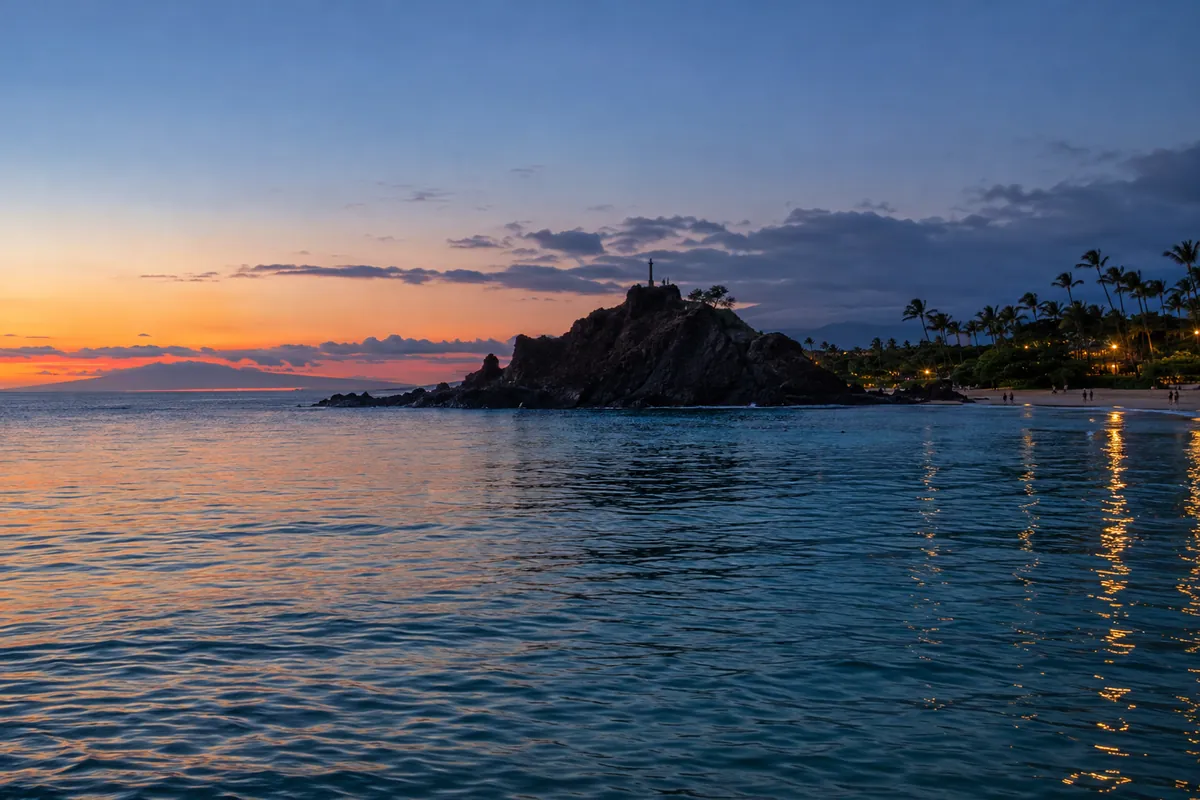
Kapalua Bay sits on Maui’s northwest coast, north of Lahaina, along Lower Honoapiilani Road. Two lava points shelter the crescent-shaped cove from much of the open-ocean swell. The beach is public and has a short walk from the parking area to the sand. A guide describes a tunnel walkway on the approach, while another describes stairs near the restrooms, so expect a brief access route rather than parking directly on the beach.
The sandy entry makes this a more manageable beach for families than a rocky shore entry, and the bay is known for swimming, snorkeling and paddleboarding. “Manageable” isn’t the same as guaranteed safe: the beach has no lifeguard, and children should stay within reach near the water. Check conditions before anyone gets in. Hawaii Guide lists the beach as having public restrooms and advises visitors to confirm facilities on the ground.
There are no admission charges listed for the beach itself. One travel listing gives beach hours as sunrise to sunset, but check posted notices when you arrive because hours and access details can change. For a wider look at the island’s swimming options, see our guide to Maui beaches.
Is Kapalua Bay good for snorkeling?
Yes, when conditions cooperate. You can snorkel from shore, with fish and other marine life around the rocky points at either end of the bay. The south point is on your left when you’re looking out from the beach; a local snorkel guide recommends entering on that side, where the bottom is sandy, then swimming within the sheltered cove. Don’t head outside the bay’s protection just to follow the reef.
Morning is the better bet. A Maui snorkeling guide says the water is generally clearest earlier in the day, before afternoon winds. The south point is also recommended for an early snorkel. Neither source guarantees visibility or calm water on a particular day, so make the call at the beach, not from a forecast alone. KBM Resorts notes that winter swell can change conditions at Kapalua Bay.
Expect reef fish and, at times, green sea turtles. Keep a respectful distance from turtles, and don’t touch or chase marine life. The bay can suit less experienced snorkelers when it’s calm, but one 2026 beach guide recommends snorkeling only for experienced ocean swimmers and advises going with a buddy. Take that caution seriously: if you’re new to snorkeling, feel unsure in the water, or see rough surf, choose a lifeguarded beach or stay on shore. Our beginner snorkeling guide covers how to choose a more suitable spot.
Conditions tend to be calmer in summer, according to a local beach guide, while winter surf can make the bay unsuitable for swimming or snorkeling. That is a seasonal pattern, not a promise. Before you enter, look for shore break, strong wind, currents and posted warnings. If you’re uncertain, don’t go in. Hawaii’s reef-safe sunscreen requirement is noted by a beach listing; use reef-safe sunscreen and avoid leaving trash on the sand. RedAwning’s Kapalua Bay listing describes the sheltered entry and recommends the south point for an early snorkel.
How does Kapalua Bay parking work?
The beach lot is small, with space for only a few dozen cars, and can fill early. Arriving in the morning is the simplest strategy. If it’s full, don’t assume you can leave your car at a nearby resort, restaurant or private lot; use only parking clearly marked for public beach visitors, and read the signs before walking away.
There’s a genuine discrepancy in the available parking information. RedAwning describes a small free lot off Lower Honoapiilani Road. A local snorkel guide instead describes the closest beach lot as paid, with non-Hawaii residents paying $25 to $29 for a day, although it doesn’t specify when those rates apply. The same guide lists other paid options, but those details may also change. Treat the price as unconfirmed, check the signs at the entrance, and bring another plan in case the lot is full.
The local guide also mentions possible roadside parking on Honoapiilani Highway where a car can be fully clear of traffic. It cautions visitors about getting in and out and crossing the road. Don’t use a roadside space if it obstructs traffic or isn’t clearly legal. The guide lists Merriman’s lot as a separate option with restricted availability and a fee, and Kapalua Tennis Garden as another paid option farther away. Since those are third-party details, confirm availability, price and access before relying on them. Auntie Snorkel’s beach guide provides those alternatives; current posted signs take priority.
For a quick comparison:
| Parking choice | What to know | Best approach |
|---|---|---|
| Beach access lot | Small, and published sources disagree on whether it’s free or paid. | Arrive early and check the posted fee and rules. |
| Other nearby lots | A local guide lists paid alternatives, but availability and terms can change. | Confirm before you leave your car. |
| Roadside space | A guide mentions possible parking where there’s room, with a caution about traffic. | Park only where clearly permitted and fully clear of traffic. |
Parking is the part of this visit I’d plan around, not wing. If the small lot is full and you can’t confirm a legitimate alternative, don’t turn a beach day into a search for a space. Our Kapalua area guide covers other nearby beaches and places to stay.
Can you walk the Kapalua Coastal Trail from the bay?
Yes. The Kapalua Coastal Trail runs along the shoreline by the bay and continues toward Oneloa Beach and the Ironwoods. It follows low sea cliffs and passes lava shoreline and native plants; the route is also described as having spots where visitors can watch for winter whales offshore. This is a good way to add a walk without needing to drive to another beach.
Think of the trail as a coastal outing, not an extension of your swim. The shoreline includes lava rock and low cliffs, so stay on the marked route and don’t edge toward drops or wet rock for a photo. No trail distance or walking time is provided in the sources, so plan by how far you want to go and turn back when you’re ready. RedAwning’s guide describes the trail’s route toward Oneloa and the Ironwoods.
The bay is also near Nāpili Bay and Oneloa Beach, but don’t assume the next beach has the same water conditions. Check each beach separately. For more routes around the island, browse our Maui hikes guide.
When should you visit?
For snorkeling, aim for morning. That timing gives you a better chance of calmer water before afternoon winds, and it also helps with the small parking lot. The water is often calmer in summer, while winter surf can increase. But the daily conditions matter more than the season: check the water, wind and any posted warnings before you swim.
Winter brings another reason to walk the coast. Humpback whales are commonly offshore from December through April, passing through the channel between Maui, Molokai and Lanai. You may spot them from coastal viewpoints, but sightings aren’t guaranteed. Keep to the trail and observe from shore.
Bring drinking water, sun protection and reef-safe sunscreen. Restrooms are listed at the beach, while sources differ on whether showers are available, so don’t count on a shower unless you confirm it on arrival. The beach activity desk at Kapalua offers watersports equipment and activities, and a travel guide mentions snorkel and paddleboard rentals at a small beach shack. Rental hours and prices aren’t stated in the sources, so bring your own gear or check locally rather than assuming it will be available.
How we researched this
We compared the Kapalua resort’s own beach information with published beach and snorkeling guides, including sources that describe access, water conditions and parking. The guides conflict on whether the beach lot is free or paid, and they don’t provide a current confirmed parking price, so we’ve stated that uncertainty instead of presenting an old or disputed rate as settled. We didn’t receive payment from any business mentioned.
Before you go
- Check surf, wind and posted warnings before entering. There’s no lifeguard, and a sheltered bay can still have unsafe conditions.
- Arrive early for the small lot, and read parking signs. Don’t use resort or restaurant parking unless it’s clearly open to beach visitors.
- Snorkel with a buddy, stay within the bay’s shelter and leave turtles and other wildlife alone.
- Use the coastal trail for a shoreline walk toward Oneloa, but stay on the route and keep off wet lava rock.
Kapalua Bay is a strong choice for a beach day when the water is calm and you’re prepared for limited parking. If the surf is up, skip the swim and take the coastal walk instead.
Frequently asked questions
Is Kapalua Bay good for snorkeling?
It can be, especially in the morning when water is often clearer and winds may be lighter. Snorkel near the rocky points only when conditions are calm, go with a buddy and stay inside the bay’s shelter.
Is Kapalua Bay Beach parking free?
Published sources disagree: one describes a small free lot, while another lists a paid lot and fees that may not be current. Check the posted signs when you arrive and don’t assume nearby resort parking is available.
Is Kapalua Bay calm enough for children to swim?
The sheltered cove and sandy entry can make swimming more manageable when conditions are calm, but the beach has no lifeguard. Check the water that day and keep children within reach.
Where does the Kapalua Coastal Trail go from Kapalua Bay?
The trail follows the coast toward Oneloa Beach and the Ironwoods, passing lava shoreline and low sea cliffs. Stay on the route and check conditions before walking on the coast.
Sources we checked
- Condé Nast Traveler: Kapalua Bay Beach overview
- KBM Resorts: Maui snorkeling conditions and Kapalua Bay
- RedAwning: Kapalua Bay access, parking and coastal trail
- Hawaii Guide: Kapalua Bay Beach conditions and facilities
- Kapalua: Official beach and activities information
- Auntie Snorkel: Kapalua Bay snorkeling, access and parking guide
About this guide
Written and fact-checked by the Maui Hotels Blog editors, an independent team that plans Maui trips from official and published sources. We compared 6 sources for this page, linked each one above, and were not paid by any business mentioned. Prices, fees, hours, reservation rules and ocean conditions change, so confirm with the official source before you go.