Heads up: some links on this page are affiliate links (Stay22, Viator). If you book through them we may earn a commission at no extra cost to you. It never changes what we recommend. How this works.
If it rains in Maui, first check whether the showers are local, then drive to a drier coast if roads are clear. If the rain is island-wide or heavy, the Maui Ocean Center, Wailuku museums, a movie, or a covered shopping stop are better bets than a long scenic drive.
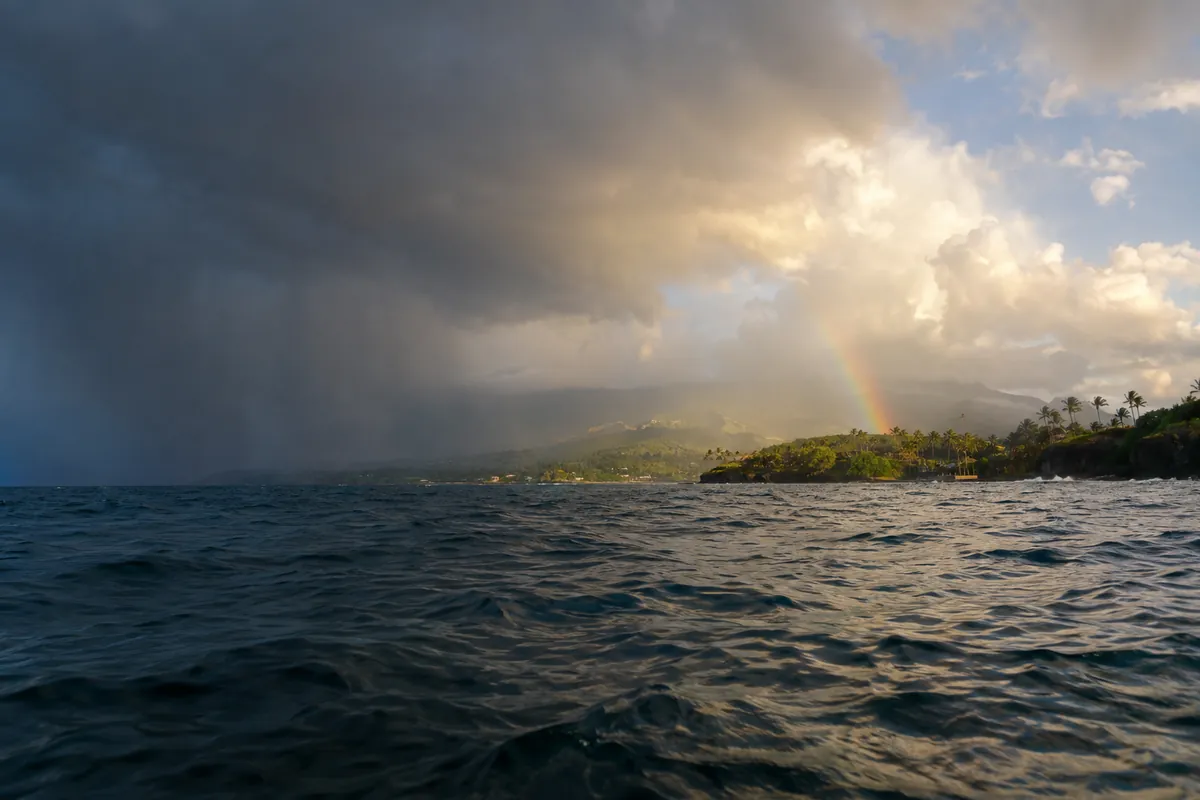
Maui has several microclimates. The windward side, including Hana and Haiku, is often wetter than leeward Kihei, Wailea, and Kaanapali, but a kona low can reverse that pattern. Check the radar and road conditions before you set out, and don't treat a cloudy sky at your hotel as a forecast for the whole island, according to How to Live in Hawaii.
Quick answer: On a light-shower day, look for a clearer patch in Kihei or Kaanapali and keep your plans flexible. For a fully indoor day, choose the aquarium, a museum, an escape room, or a movie. Skip Hana, streams, and ocean swimming during heavy rain or when runoff makes the water brown.
Should you drive to the dry side?
Often, yes, if the rain is light and the roads are open. From Haiku or Paia, Kihei is about a 35-minute drive and may be sunnier on a typical northeast trade-wind day. If you're staying in Kapalua or Napili, Kaanapali is about 20 minutes south and may be drier. Those are useful options, not guarantees: the same local guide warns that kona-low weather can make South and West Maui wet too.
Make the decision with current conditions, not a fixed rule about which coast is dry. If the radar suggests a break, keep the outing close to your base and have an indoor backup. The island's weather patterns and microclimates explain why a rainy morning in one resort area doesn't always mean a washout elsewhere.
For a short change of scene, consider a covered shopping stop or lunch rather than driving across the island for one beach. Shops at Wailea has covered walkways; Whalers Village in Kaanapali has covered walkways and restaurants. Queen Kaahumanu Center in Kahului is an enclosed-style shopping center with a food court, while Maui Mall has a cinema and restaurants, according to How to Live in Hawaii.
South Maui is often a sensible first try if showers are on the north or east side, but don't promise yourself beach weather. Check the shoreline and water conditions on arrival. If there's heavy rain or a flood warning, stay off the roads instead of trying to outrun the storm.
What indoor things to do in Maui are worth planning?
For most visitors, the Maui Ocean Center is the strongest rainy-day pick: it's a substantial indoor attraction, works for families and adults, and doesn't depend on the weather clearing. If you want a shorter or cheaper outing, choose a museum, movie, or Wailuku activity instead. Prices and schedules can change, so check the attraction's own current information before leaving.
| Plan | Best for | What to know |
|---|---|---|
| Maui Ocean Center | Marine life, families, a longer visit | Plan about 2 to 3 hours; mostly indoor, with some outdoor areas |
| Bailey House Museum | Hawaiian history and a quieter stop | In Wailuku; allow about 60 to 90 minutes |
| Sugar Museum | Plantation and local industry history | In Puunene, near Kahului |
| Mystery Maui or Ultimate Air | Groups, older kids, or active play | Both are in Wailuku; check schedules and age rules |
| Movie or shopping center | An easy, flexible afternoon | Try Maui Mall or Queen Kaahumanu Center |
These times and locations are listed in the local rainy-day guides; confirm current hours and access before you go. For more choices beyond a wet day, see our broader list of things to do in Maui.
Is Maui Ocean Center a good rainy-day activity?
Yes. The aquarium in Maalaea has indoor exhibits on Hawaiian marine life, including the Open Ocean Exhibit, a 750,000-gallon saltwater tank with a 54-foot acrylic tunnel. The exhibits also include Hawaiian coral reef life, sea jellies, and an exhibit on Kahoʻolawe's history and conservation. The aquarium's own guide lists hours of 9 a.m. to 5 p.m. and recommends buying tickets ahead because attendance can be high; check its site for current hours and ticket details before you visit.
Admission estimates differ by listing: one guide gives about $50 to $60 for adults, while a ticket listing shows $55 per person. Treat those as planning figures, not a guaranteed current rate. The aquarium is at 192 Māʻalaea Road, and a visit commonly takes about 2 to 3 hours, according to How to Live in Hawaii and the CoolHawaii activity listing.
Not every gallery connection is indoors, and the Ocean Center has outdoor exhibits too. Bring a light rain jacket or umbrella rather than assuming you'll stay completely dry. The aquarium's own rainy-day article describes the indoor exhibits and advises visitors to prepare for the outdoor portions at Maui Ocean Center.
Which museums and Central Maui stops work in the rain?
Bailey House Museum, also called Hale Hoikeike, is a practical Wailuku stop if you want local history rather than another hour in a shopping center. It's in an 1833 mission house and its exhibits cover Maui history and culture. One guide lists typical hours as Monday to Saturday, about 10 a.m. to 4 p.m., and a visit of about 60 to 90 minutes; verify the schedule and admission with the museum before heading over.
The Alexander & Baldwin Sugar Museum in Puunene focuses on Maui's sugar industry, plantation life, machinery, and the immigrant communities shaped by the industry. It's a more specific choice than the aquarium, so pick it if that history interests you. The museum is named as a rainy-day option by both Maui Ocean View Condos and Maui Ocean Center; check directly for current visitor details.
For an active indoor option, Mystery Maui runs 60-minute escape-room games in Wailuku. Its listed private games are for groups of 2 to 6, with at least one person aged 18 or older, and the venue recommends arriving 15 minutes early for the briefing. One featured story has audio effects that may unsettle younger players, so check the game description before booking. It is closed Mondays, but schedules can change; check its current calendar.
Ultimate Air Trampoline Park is another Wailuku option for kids and adults who would rather move than browse exhibits. A local guide lists a one-hour general pass at $25 and required jump socks at $4, but gives no as-of date for those prices. Confirm current rates, open-jump sessions, capacity, and waiver rules with the park. A parent or legal guardian must complete the waiver for anyone under 18, according to Maui Guide.
Where can you shop, eat, or take a class?
Covered shopping is a low-effort way to fill a damp afternoon. In South Maui, Shops at Wailea has covered walkways and places to stop for a snack, including Lappert's ice cream. In West Maui, Whalers Village is the better-known resort-area option, with covered walkways, restaurants, and a small whaling exhibit. It is open-air rather than fully enclosed, so take a rain layer.
In Central Maui, Queen Kaahumanu Center has a food court and more than 100 shops, according to the local guide. Maui Mall is nearby and has a multiplex cinema, which makes it an easy backup if the weather stays poor. A movie is a better plan when you need dependable shelter than browsing open-air resort walkways. Check current film times and shopping hours before making the drive.
For a cultural activity, ask your resort whether it has a lei-making, ukulele, or hula session on its schedule. The local guides describe resort programs as often free or under $25, while standalone fresh-flower lei classes are generally listed at $45 to $75 and run about 60 to 90 minutes. These are guide estimates, not confirmed current prices, so contact the provider first. Hui Noʻeau Visual Arts Center in Upcountry offers arts programs and workshops; check its calendar for a class that actually runs on your visit day.
If you prefer food and drink, Maui Tropical Plantation in Waikapu has covered dining and a tram tour that operates in light rain. MauiWine's tasting room is at Ulupalakua Ranch, and the Ulupalakua Ranch Store across the road has a covered lanai. Haliimaile Distilling Company and Ocean Organic Vodka also offer scheduled tours and tastings. Upcountry roads can be narrow and slick in rain, and tastings require a designated driver. Check each business's current schedule and arrange transport before you go, as advised by How to Live in Hawaii.
What should you avoid when it rains?
Don't swim or snorkel in brown, murky water after heavy rain. Runoff can carry sediment and bacteria, and the local guidance advises avoiding affected water. Check for a brown-water advisory and conditions at the beach that day; rain at your resort doesn't tell you what the water looks like at another shore.
Don't enter streams or cross a flooded bridge or ford. Heavy rain upcountry can cause streams to rise quickly, including downstream from where the rain is falling. Iao Valley State Monument closes during flash-flood warnings, and non-residents have needed advance reservations when it is open; confirm the park's status and current booking rules before visiting.
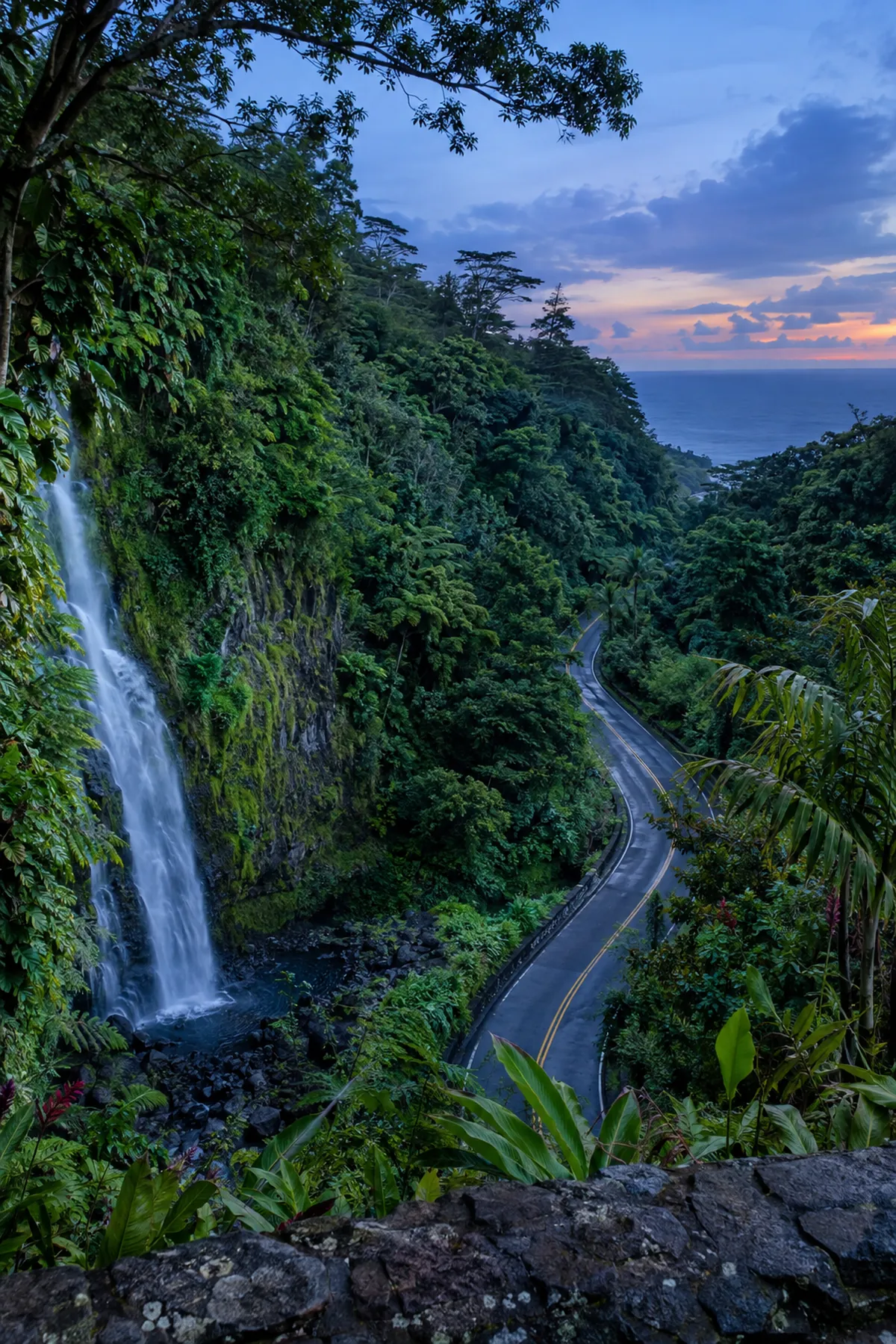
Postpone the Hana Highway during heavy rain or a flash-flood watch. The route has one-lane bridges, and heavy rain can bring rockfalls, landslides, stream overflows, or closures. Light showers are common, but they don't make a drive safe if conditions worsen. Avoid the unpaved sections of the Piilani Highway back route in rain as well. For route planning and stops on a dry day, use our Road to Hana guide, and check current alerts before setting out.
After the August 2023 wildfire, much of historic Lahaina was destroyed. Do not tour restricted areas or treat the burn zone as a sightseeing stop. West Maui shops and visitor areas have reopened in stages, so check current local guidance before visiting any specific Lahaina business, as described in How to Live in Hawaii.
How we researched this
We compared the Maui Ocean Center's visitor information with published rainy-day guides and local activity listings, including the details those sources give for museums, shopping, weather patterns, and safety. We did not receive payment from any business mentioned. Hours, prices, access rules, and weather can change, so confirm them with the attraction or relevant local authority before you go.
Before you go
Pack a light rain layer, check radar and road conditions, and choose one indoor backup near your base. If a clear patch appears, take the short drive to it; if rain is heavy, stay off flood-prone roads and out of streams and murky ocean water. A rainy Maui day can still work well, but the best plan is the one you can change without crossing the island.
Frequently asked questions
What are the best Maui rainy day activities?
Maui Ocean Center is a strong all-weather choice. Bailey House Museum, the Sugar Museum, an escape room, a movie, or covered shopping are good alternatives depending on your location and interests.
Are there indoor things to do in Maui with kids?
Yes. Consider Maui Ocean Center, Ultimate Air Trampoline Park, Mystery Maui for age-appropriate groups, or a movie. Check schedules, age rules, and current prices before you go.
Should I drive to another part of Maui if it rains?
Sometimes. Rain is often localized, and Kihei or Kaanapali may be drier than windward areas, but a kona low can bring rain to the usual dry side too. Check current weather and road conditions before driving.
Is it safe to swim in Maui after rain?
Avoid the ocean when water is brown or murky after heavy rain, since runoff can carry sediment and bacteria. Check beach conditions and any current water advisories before entering.
Sources we checked
- How to Live in Hawaii: rainy-day activities, microclimates, options, and safety guidance
- CoolHawaii: Maui rainy-day activity listings and ticket information
- Maui Ocean Center: aquarium exhibits and rainy-day visitor information
- Maui Ocean View Condos: local rainy-day suggestions
- Maui Guide: Wailuku escape room and trampoline park details
About this guide
Written and fact-checked by the Maui Hotels Blog editors, an independent team that plans Maui trips from official and published sources. We compared 5 sources for this page, linked each one above, and were not paid by any business mentioned. Prices, fees, hours, reservation rules and ocean conditions change, so confirm with the official source before you go.